 Save
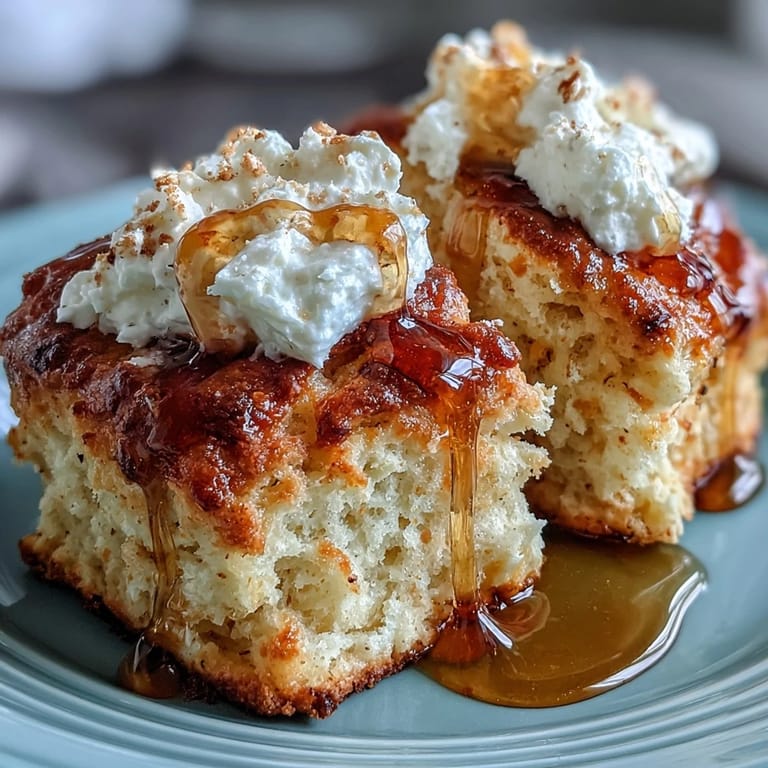
Save The first time I pulled these scones from the oven, the kitchen filled with a warm, buttery aroma that made me pause and smile. There's a particular satisfaction in watching golden dough puff up, especially when it's been sweetened with dandelion honey—a jar I'd bought impulsively at a spring market just to see what it could do. Sometimes it's the quiet mornings and a touch of curiosity that spark the best baking experiments. With the kettle hissing and birds fussing just outside the window, making these felt more like a small celebration than a chore. I never realized how much joy a tray of scones could bring until I shared them—spread thick with clotted cream and glistening honey—with a friend over tea.
One breezy Saturday, I made a double batch for an impromptu garden tea with my neighbor who, much to my embarrassment, caught me swapping milk for the last splash of cream I had. We both laughed when the scones came out somehow even fluffier, and she insisted on the 'secret recipe' before we'd even finished eating. That is, I think, when these scones became a staple: not for their perfection, but for the cheerful chaos of making and sharing them.
Ingredients
- All-purpose flour: Go for a standard, unbleached flour; I always aerate it with a quick whisk before measuring for extra lift.
- Granulated sugar: Just enough for delicate sweetness without competing with the honey.
- Baking powder: Don't skimp or swap this; it's where the lovely rise comes from—I once thought about using soda and regretted it.
- Fine sea salt: It sharpens all the other flavors, so don't forget it (I keep a tiny bowl at hand to avoid over-pouring from the box).
- Cold unsalted butter: Use it straight from the fridge and cut into cubes; the little pockets of butter make for flaky layers.
- Dandelion honey (or mild-flavored honey): Dandelion honey lends the scones that subtle, floral note; if it's out of season, a light acacia or clover honey stands in well.
- Whole milk: Full-fat makes for the tenderest crumb; low-fat works in a pinch but I notice the difference in texture.
- Large egg: Adds a bit of structure and color—always crack into a bowl first just in case!
- Dandelion honey (for drizzling): A drizzle just before eating gives them sticky, glossy tops no one can resist.
- Clotted cream: Rich, traditional, and truly spoils the experience; but mascarpone or thick crème fraîche can fill in admirably.
Tired of Takeout? 🥡
Get 10 meals you can make faster than delivery arrives. Seriously.
One email. No spam. Unsubscribe anytime.
Instructions
- Get your tray ready:
- Preheat your oven to 400°F (200°C) and line a baking sheet with parchment; this saves any anxiety over stuck scones.
- Mix the dry stuff:
- Combine flour, sugar, baking powder, and salt in a big bowl, whisking it all together so there are no lurking lumps.
- Rub in the butter:
- Add your cold cubed butter and gently pinch it through the flour with cool fingertips until you see a sandy, crumbly mix that almost forms clumps.
- Whisk the wet ingredients:
- In a smaller bowl, whisk together the dandelion honey, milk, and egg, savoring the floral scent as you stir (sneak a taste if you like).
- Bring it all together:
- Pour the wet mix over the dry, then gently fold with a spatula or a fork, stopping the second the dough comes together—over-mixing here is the enemy of a tender crumb.
- Pat and cut:
- Tip the soft dough onto a lightly floured worktop and gently pat (not roll) it out to about one inch thick; use a 2.5-inch cutter, twisting as little as possible, to punch out rounds.
- Arrange and finish:
- Set the scones on your tray, spacing for their rise, and brush just the tops with a bit of milk for that irresistible glaze.
- Bake to golden perfection:
- Slide into the hot oven and bake 12–15 minutes until they're puffed and golden, with little splits pulling along the sides.
- Cool and serve:
- Transfer to a wire rack and, if you can stand to wait, let them cool slightly before dolloping with clotted cream and drizzling with honey—otherwise, just dig in warm.
 Save
Save On a sunny afternoon last spring, my parents dropped by without warning, and I'd just set out a plate of these scones to cool. The way everyone pulled up a chair and reached for seconds—spreading extra honey and cream without even pausing for plates—made me realize food can feel like a gift, even on the most ordinary of days.
When You Don't Have Dandelion Honey
I’ve swapped in acacia, orange blossom, and even wildflower honey, and while each makes the scones a little different, they’re always delicious. The real trick is to use whatever honey you love or have on hand—just stick with a mild, golden variety so the floral notes aren’t overpowered.
Serving Suggestions You'll Actually Want
Sometimes I serve these scones plain and let everyone pile on cream and honey at the table. But a sprinkling of lemon zest over the top or a spoonful of berry preserves alongside turns tea into something almost fancy—like hosting a sweet little café at home.
Little Tweaks That Make a Big Difference
After a few batches, I started freezing my butter briefly before cutting it in, and the flakes got even bigger and more defined. Adding dandelion petals is subtle but gives a pop of color and fragrance that always prompts questions at the table.
- Freeze the butter cubes for about 10 minutes if your kitchen is warm.
- A pastry cutter is worth tracking down for this recipe, but two forks will do in a pinch.
- Scones are best enjoyed on the day they’re baked, so share extras with a neighbor or friend.
 Save
Save However you serve them, these dandelion honey scones bring a gentle sense of occasion to any day. They’re just as good with good company as they are with quiet and a mug of tea.
Recipe Questions & Answers
- → How do I make the scones light and tender?
Use cold butter and handle the dough as little as possible to maintain a soft, crumbly texture.
- → Can I substitute another honey for dandelion honey?
Yes, a mild-flavored honey such as acacia or wildflower can be used in place of dandelion honey.
- → What can I use instead of clotted cream?
Thick crème fraîche or mascarpone are suitable alternatives if clotted cream is unavailable.
- → How should I serve these scones?
Serve scones warm or at room temperature, topped with clotted cream and an extra drizzle of honey.
- → Can I add any flavors or twists?
For floral notes, sprinkle dried dandelion petals into the dough. Lemon zest can also add brightness.
- → How long do the scones stay fresh?
They are best eaten the day they are made but can be stored in an airtight container for up to 2 days.