 Save
Save My hands were shaking a little as I slid the cake layers into the oven that morning, knowing my niece was sitting in her last high school class. There's something about baking for a milestone that makes you slow down, measure twice, and actually pay attention to the small things—the way butter creams to pale silk, how the batter smells like pure vanilla possibility. This cake became my way of saying what I couldn't quite find words for.
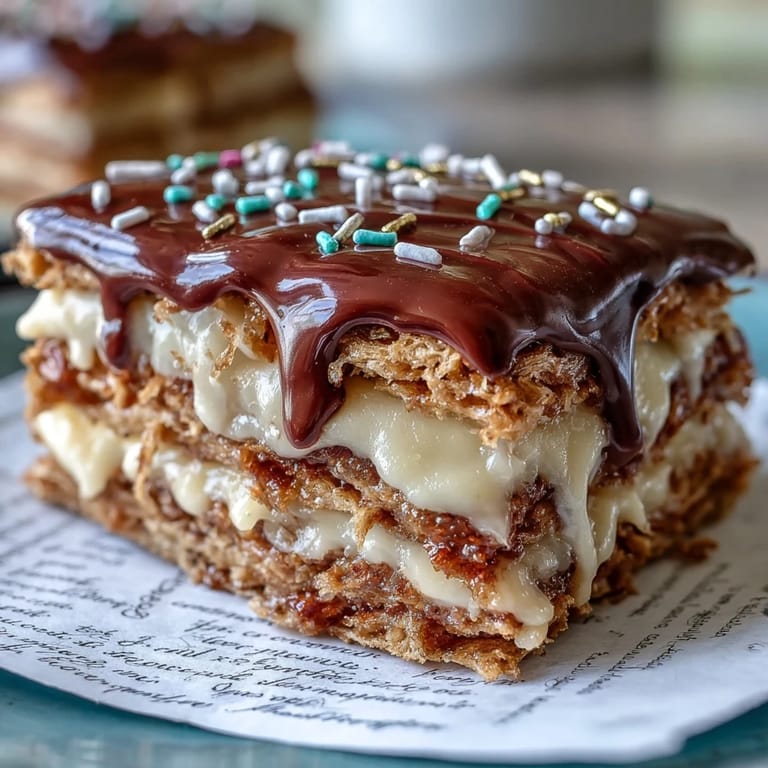
I'll never forget the moment everyone went quiet when the cake came out—not because it was perfect, but because they recognized what it meant. My sister's eyes got glossy, and someone started clapping. The gold foil caught the light as people leaned in to get a better look, and suddenly this wasn't just dessert anymore. It was proof that something big had happened.
Ingredients
- All-purpose flour (2 ½ cups): The foundation of a tender, reliable cake—don't sift unless your flour is particularly lumpy, or you'll end up with something too dense.
- Baking powder (2 ½ tsp): This is what gives the cake its delicate crumb and helps it rise evenly in both pans.
- Salt (½ tsp): A small amount that most people can't taste, but it deepens the vanilla flavor and balances the sweetness.
- Unsalted butter (1 cup for cake, 1 ½ cups for frosting): Make sure it's softened to room temperature—this is non-negotiable for a fluffy crumb and smooth frosting.
- Granulated sugar (2 cups): This creams with the butter to create air pockets that make the cake light and tender.
- Large eggs (4), room temperature: Room temperature eggs incorporate more smoothly and create a better texture than cold ones.
- Vanilla extract (1 tbsp for cake, 2 tsp for frosting): Use good quality vanilla—it's the star here, so it deserves to shine.
- Whole milk (1 cup for cake, 3–4 tbsp for frosting): Whole milk adds richness, but you can use 2% if that's what you have on hand.
- Powdered sugar (5 cups), sifted: Sifting prevents lumps that catch on your offset spatula and ruin that smooth finish.
- Edible gold foil sheets: These are fragile and temperamental, so handle them with tweezers or completely dry hands—moisture makes them stick to your fingers instead of the cake.
- Diploma-shaped cake topper: A store-bought topper is fine, but a fondant one you make yourself adds a personal touch that guests will ask about.
Tired of Takeout? 🥡
Get 10 meals you can make faster than delivery arrives. Seriously.
One email. No spam. Unsubscribe anytime.
Instructions
- Prepare your pans and preheat:
- Set your oven to 350°F and let it heat while you grease two 9-inch round pans and line the bottoms with parchment paper. This extra step prevents sticking and makes turning out the layers a smooth, confident motion instead of a moment of panic.
- Combine your dry ingredients:
- Whisk together the flour, baking powder, and salt in a medium bowl. This distributes the leavening evenly so you won't get random dense pockets in your finished cake.
- Cream butter and sugar:
- In your mixer bowl, beat the softened butter and sugar together for 3 to 4 minutes until the mixture becomes pale, light, and fluffy. You should be able to see the color change—that's air being incorporated, which is what makes this cake tender.
- Add eggs one at a time:
- Drop in each egg individually, beating well after each addition before the next one goes in. This prevents the batter from looking curdled and grainy, which happens when you add them all at once.
- Stir in the vanilla:
- Add your vanilla extract and mix it through, then take a moment to smell what you've created so far. It's the small sensory moments that make baking feel like something more than just following instructions.
- Alternate flour and milk:
- Starting with the flour mixture, add it in three parts, alternating with the milk in two parts: flour, milk, flour, milk, flour. Mix gently until just combined—overmixing at this stage makes the cake tough instead of tender.
- Divide and bake:
- Pour the batter evenly into both pans, smooth the tops with a spatula, and slide them into the oven for 28 to 32 minutes. You'll know they're done when a toothpick inserted in the center comes out clean with just a few moist crumbs.
- Cool with patience:
- Let the cakes sit in their pans for 10 minutes—this prevents them from breaking apart—then turn them out onto cooling racks. Resist the urge to frost warm cake, which will melt the buttercream into a sad, sliding mess.
- Make the buttercream:
- Beat softened butter on high speed for about 3 minutes until it's pale and creamy, then gradually add your sifted powdered sugar. Add the vanilla, salt, and milk one tablespoon at a time, tasting as you go until it reaches the consistency you want—thick enough to hold a shape, but soft enough to spread smoothly.
- Level and layer:
- If your cake layers have domed tops, trim them flat with a serrated knife so they sit evenly. Place the first layer on your serving plate, spread a thick layer of buttercream on top, then set the second layer down gently and press to secure it.
- Apply a crumb coat:
- Spread a thin, temporary layer of frosting all over the cake to seal in any crumbs, then chill for 30 minutes. This step is the difference between a refined-looking cake and one where dark crumbs are visible through your white frosting.
- Frost smoothly:
- Apply the remaining buttercream in even strokes with an offset spatula, working around the sides first, then the top. You don't need to be perfect—slight swirls look intentional and charming.
- Apply the gold foil:
- Using tweezers, carefully press small pieces of edible gold foil onto the frosting in a pattern that feels right to you. The delicate shimmer catches light beautifully and makes the cake look like it belongs at a celebration.
- Add the diploma and finish:
- Place your diploma topper at the center or leaning against the side of the cake, add any sprinkles or confetti if you'd like, then chill briefly before serving. Bring it to room temperature before cutting so the frosting slices cleanly and the flavors fully wake up.
 Save
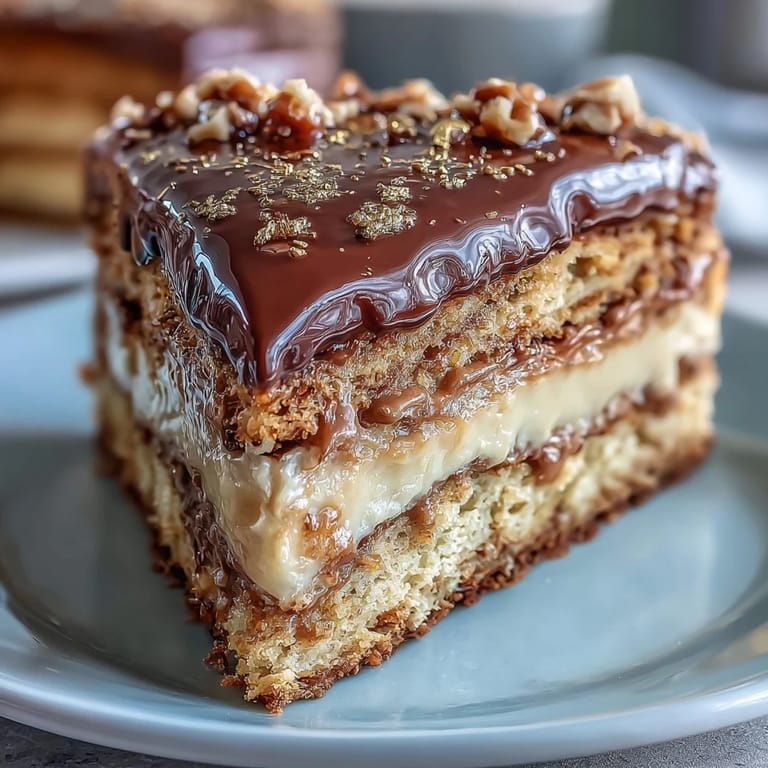
Save What I remember most wasn't actually the taste, though the cake was buttery and tender and perfect. It was my niece taking a photo of it from every angle, and then later finding out she sent the picture to her friends with the caption 'my aunt made this.' Sometimes the cake becomes a quiet kind of proof that someone thinks you're worth the time and care.
Making This Cake Your Own
The vanilla base is forgiving and classic, but it's also your blank canvas. I've added a teaspoon of almond extract to the batter before, which gives it a subtle richness that makes people ask what the secret ingredient is. You can also swirl a bit of food coloring into the frosting to match school colors—gel colorings work better than liquid because they don't change the frosting's consistency. Some people add a tablespoon of lemon zest to the batter for brightness, or a hint of cinnamon for warmth. The cake doesn't care—it just wants to celebrate with you.
Handling Gold Foil Like You Know What You're Doing
The first time I used edible gold foil, I grabbed it with my regular fingers and it stuck to my skin instead of the cake, turning into a crumpled ball of regret. Now I keep tweezers nearby and make sure my hands are completely dry. The foil is delicate enough that it crinkles if you breathe on it wrong, but that crinkled, imperfect look is actually more elegant than perfectly smooth pieces. Press it gently onto the frosting in sections, creating a pattern or just scattering it wherever it feels right. If a piece tears, use the fragments—they catch light just as beautifully and no one will know the difference.
The Diploma Topper Story
Store-bought diploma toppers are convenient and look great, but the fondant version tells a better story. Roll out flesh-colored or white fondant, cut a rectangle, roll it loosely, tie it with a thin fondant ribbon, and write the graduate's name on it with an edible marker. It's not difficult—you just need patience and a steady hand. When guests realize it's edible, their whole face changes. They remember that someone sat down and made a detail that no one asked for, just because this moment mattered.
- Fondant can crack if it's too cold, so let it sit at room temperature for a few minutes before working with it.
- If your diploma topper is fondant, keep it off the frosting until right before serving, since the oils in buttercream can soften it.
- Take a photo of the finished cake before anyone cuts into it—these moments disappear quickly but a good photo lives forever.
 Save
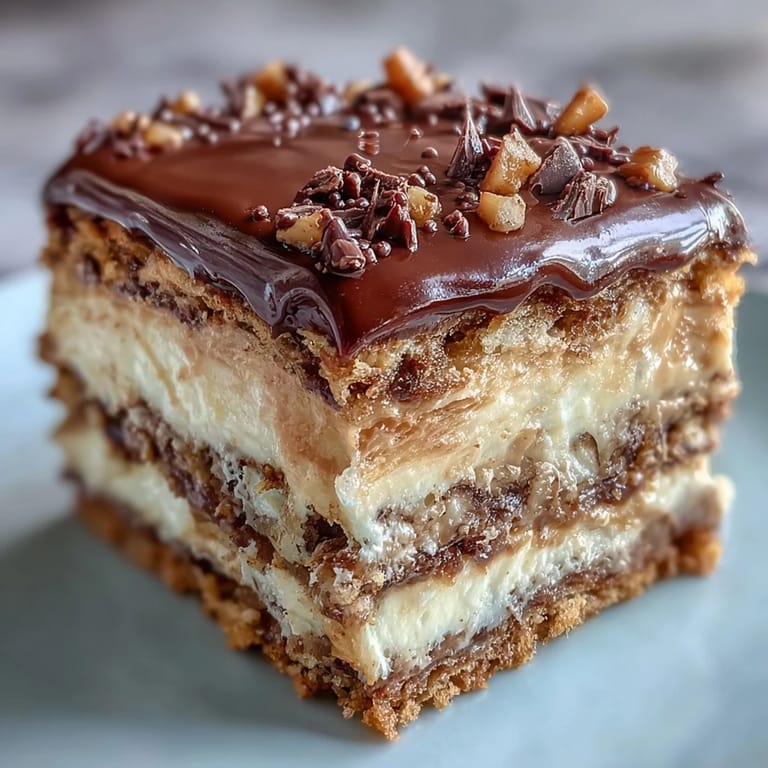
Save This cake exists to mark a threshold, to say something that matters without having to speak. Bake it with attention, decorate it with care, and know that you're giving more than sugar and butter and flour. You're giving time, which is the truest gift of all.
Recipe Questions & Answers
- → What type of flour is best for this cake?
All-purpose flour creates a tender yet structured crumb, ideal for the cake's texture.
- → How can I ensure the buttercream is smooth and creamy?
Beat the butter on high speed until pale and fluffy before gradually adding powdered sugar and milk for a silky consistency.
- → What is the best way to apply edible gold foil?
Use tweezers and handle the gold foil with dry hands to gently place it onto the frosting without tearing.
- → Can the diploma topper be customized?
Yes, it can be homemade from fondant or paper and decorated with edible markers to match the occasion.
- → How long should the cake chill before serving?
After decorating, chilling for about 30 minutes helps set the frosting and decorations for clean slices.
- → Are there any allergen considerations?
This cake contains gluten, eggs, and dairy; check decorations for soy or other allergens as well.