 Save
Save My grandmother's cast-iron skillet hung on her kitchen wall like a piece of art, and every time she'd reach for it on a Sunday morning, I knew something magical was about to happen. That skillet had seasoning built up over decades, and the cornbread that came out of it was nothing short of legendary—golden, impossibly moist, with a crispy exterior that shattered between your teeth. Years later, I finally understood the secret wasn't just technique; it was respecting the heat, the butter, and those few minutes of patient waiting while the oven did its work.
I made this cornbread last Thanksgiving when my partner's family came over, and honestly, I was nervous because I'd never baked cornbread before. But watching my mother-in-law's face light up when she took that first bite, slathered with honey butter that was still warm and pooling around the edges—that's when I realized this wasn't just a side dish, it was edible reassurance that everything was going to be okay.
Ingredients
- Yellow cornmeal: This is where the cornbread's soul lives; it gives you that distinctive texture and slightly sweet corn flavor that buttermilk or flour alone can never replicate.
- All-purpose flour: Use it to create structure and help the cornbread rise evenly without becoming dense or crumbly.
- Granulated sugar: A quarter cup sounds like a lot, but it balances the cornmeal's earthiness and adds just enough sweetness to make you want another slice.
- Baking powder and baking soda: These work together as your leavening agents; the baking soda reacts with any acidic dairy, while baking powder ensures an even rise throughout.
- Fine salt: Three-quarters of a teaspoon might seem modest, but it's essential for bringing out all the subtle flavors hiding in the cornmeal.
- Whole milk or buttermilk: If you use buttermilk, you'll get a slightly tangy edge that makes people ask for the recipe; whole milk gives you straight-up comfort in every bite.
- Large eggs: These bind everything together and create that tender crumb structure that makes this cornbread different from dense, dry versions.
- Melted unsalted butter and vegetable oil: The combination gives you moisture from the butter's flavor plus the neutral cooking properties of oil, resulting in cornbread that stays tender even the next day.
- Unsalted butter for greasing: This needs to be in your hot skillet so it sizzles and creates that golden, crispy exterior everyone dreams about.
- Softened butter and honey for the topping: Beat them together until they're fluffy and light, and this becomes something people will remember long after the meal ends.
Tired of Takeout? 🥡
Get 10 meals you can make faster than delivery arrives. Seriously.
One email. No spam. Unsubscribe anytime.
Instructions
- Heat Your Skillet First:
- Preheat your oven to 425°F and place your 10-inch cast-iron skillet inside to get screaming hot while you work on the batter. This step is non-negotiable because that initial sizzle when the batter hits the hot pan is what creates the golden, crispy crust.
- Mix Your Dry Ingredients:
- In a large bowl, whisk together the cornmeal, flour, sugar, baking powder, baking soda, and salt until everything is evenly distributed and there are no lumps hiding in the corners. Take your time here because uneven distribution means some bites will taste different from others.
- Combine Your Wet Ingredients:
- In a separate bowl, whisk the milk, eggs, melted butter, and vegetable oil until the eggs are fully incorporated and the mixture looks smooth and cohesive. This is where you're setting up the moisture and richness that will make people ask if there's sour cream in here.
- Gently Bring It Together:
- Pour the wet ingredients into the dry ingredients and stir gently with a spatula until just combined—lumps are your friends here, and overmixing is the enemy that creates tough, rubbery cornbread. Stop stirring as soon as you don't see dry flour anymore.
- Prepare Your Hot Skillet:
- Pour and Smooth:
- Carefully remove the hot skillet from the oven and add the 2 tablespoons of butter, swirling it quickly to coat the bottom and sides while it foams and smells absolutely heavenly. Pour the batter in immediately and smooth the top gently with your spatula.
- Bake Until Golden:
- Bake for 20 to 25 minutes until the top is golden brown and a toothpick inserted into the center comes out clean or with just a few moist crumbs clinging to it. The edges will pull slightly away from the skillet when it's ready.
- Make Your Honey Butter:
- While the cornbread bakes, beat the softened butter with honey and a pinch of salt in a small bowl until it's smooth, fluffy, and pale—this usually takes about 2 minutes with a hand mixer or vigorous whisking.
- Rest and Serve:
- Let the cornbread cool in the skillet for 5 to 10 minutes before slicing so it holds together beautifully and the honey butter melts into every warm crumb instead of running off the sides.
 Save
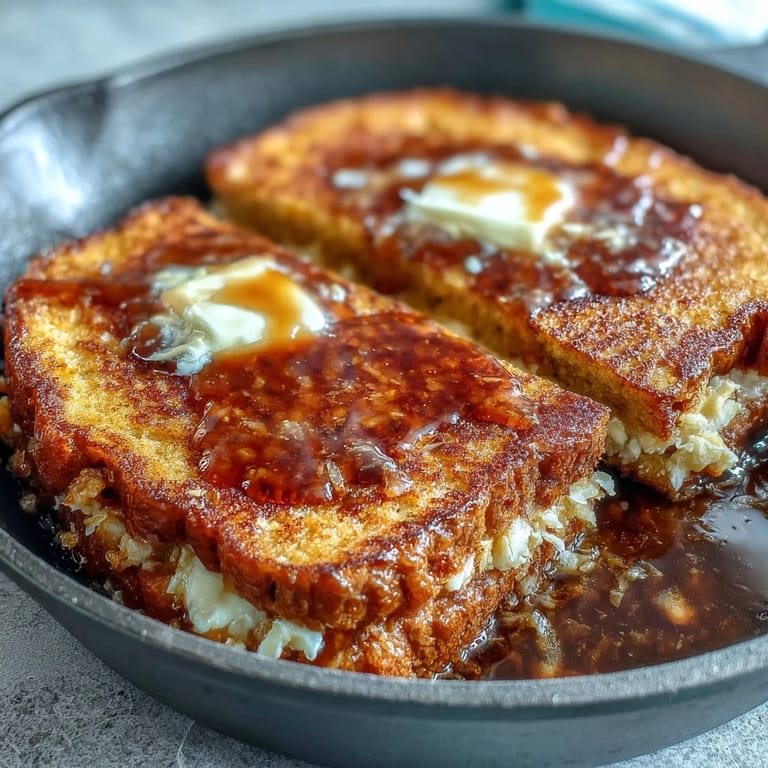
Save There's something almost ceremonial about pulling that skillet out of the oven and seeing the golden dome of cornbread sitting there, slightly crackling at the edges. My whole kitchen smells like butter and corn and warmth, and for those few moments before I slice into it, I'm not thinking about anything except how lucky I am to have this.
Why Cast-Iron Matters More Than You Think
Cast-iron skillets are temperamental and require maintenance, but they're worth every bit of effort because they distribute heat evenly and retain it in a way that regular baking pans simply cannot match. If you don't have a cast-iron skillet, a 10-inch round cake pan will work, but you'll notice the difference immediately—the bottom won't be as crispy, and the overall texture will be slightly less spectacular. Start taking care of a cast-iron skillet now, and it will serve you and your future children and grandchildren, just like my grandmother's did.
The Honey Butter Game-Changer
Honey butter is what elevates this from a good side dish to something people will ask you to bring to every gathering forever. The honey adds a subtle floral sweetness and keeps the butter from being too rich, while the salt prevents it from tasting cloying and reminds your taste buds that you're eating something intentional and balanced. Make it while the cornbread bakes so it's ready the moment the cornbread comes out of the oven, and watch what happens.
Creative Variations and Pairing Ideas
The base recipe is perfect on its own, but once you master it, you can start experimenting with additions that make it feel like a new dish entirely. Corn kernels add sweetness and texture, sharp cheddar creates a savory-sweet balance that's almost addictive, and jalapeños bring heat that surprises people in the best way. This cornbread pairs beautifully with barbecue, chili, fried chicken, or even just a simple bowl of black beans and rice, but it also stands alone as an afternoon snack with nothing but a pat of honey butter.
- Try adding one cup of fresh corn kernels, shredded cheddar cheese, or chopped jalapeños for a variation that feels completely new.
- Serve it warm straight from the skillet at the dinner table for maximum drama and comfort.
- Store leftovers wrapped in foil at room temperature for up to two days, or freeze for up to three months and reheat wrapped in foil at 350°F.
 Save
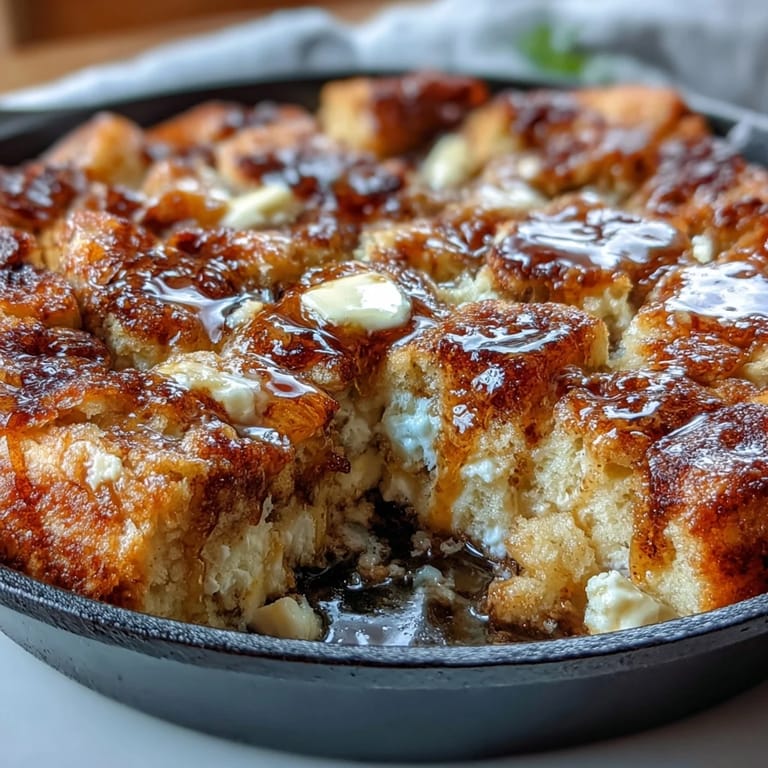
Save There's comfort in knowing that something this good can come from your own kitchen, and there's joy in watching people experience that warm honey butter melting into fresh cornbread for maybe the first time in their lives. Make this recipe, share it generously, and watch it become part of your family's story.
Recipe Questions & Answers
- → What makes Southern-style cornbread unique?
Southern-style cornbread often balances cornmeal with flour and includes a touch of sugar, resulting in a moist, tender crumb with slight sweetness.
- → Why use a cast-iron skillet for baking?
A cast-iron skillet distributes heat evenly, creating a crispy crust while keeping the interior moist and tender.
- → Can I substitute buttermilk for whole milk?
Yes, buttermilk adds extra tang and richness, enhancing the cornbread's flavor and texture.
- → How is honey butter prepared?
Honey butter is made by beating softened butter with honey and a pinch of salt until smooth and fluffy, lending a sweet, creamy topping.
- → What variations can be added to the cornbread batter?
Adding corn kernels, shredded cheddar, or chopped jalapeños boosts flavor and texture, offering delightful twists.