 Save
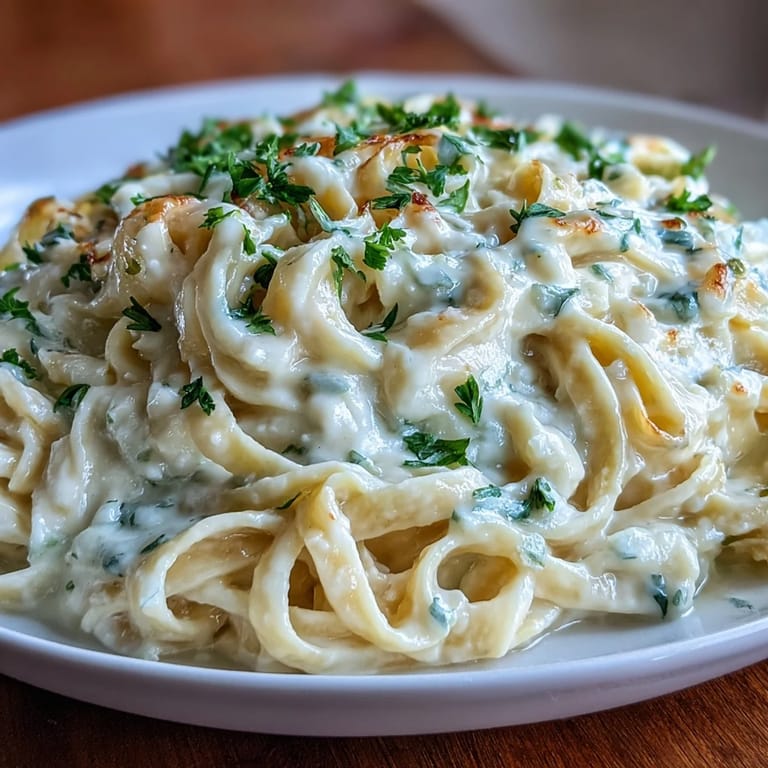
Save Last Tuesday, I was standing at my kitchen counter thinking about how much I craved creamy pasta but couldn't shake the guilty feeling that usually comes with it. That's when I remembered my sister mentioning she'd blended cauliflower into a sauce and couldn't believe how velvety it turned out. I decided to try it that night, and honestly, the moment I tasted it I understood why she was so excited. The sauce clung to the fettuccine like real Alfredo, but without that heavy feeling afterward.
My partner walked in halfway through cooking and caught me blending steaming cauliflower with butter and Parmesan, and gave me that look like I'd lost my mind. But when dinner was plated and he took that first bite, he went quiet in the way that means something really just worked. He asked if we could make it again the next week, which in his language basically means I've cracked some kind of code.
Ingredients
- Cauliflower florets (1 medium head, about 700 g): The base of everything—buy it fresh and cut it into pieces so it cooks evenly and blends smoothly later.
- Garlic cloves (3): Don't skip these; they cook right alongside the cauliflower and mellow into something almost sweet.
- Yellow onion (1 small, chopped): Adds subtle sweetness and depth that keeps the sauce from tasting one-dimensional.
- Unsalted butter (2 tablespoons): This is what gives the sauce its luxurious mouthfeel, so don't cut corners here.
- Parmesan cheese, grated (1/3 cup plus extra): Use the good stuff if you can—it makes a real difference in the final taste.
- Milk (1/2 cup, dairy or plant-based): Keep it unsweetened if using an alternative, or the sauce gets confused flavors.
- Fettuccine or linguine (350 g): Wide ribbons catch the sauce better than thin pasta, but use what you love.
- Salt (1 teaspoon plus more): Season as you go, especially important when you're not using cream to carry salt flavor.
- Black pepper (1/2 teaspoon, freshly ground): Ground fresh tastes sharper and brighter than pre-ground.
- Ground nutmeg (pinch, optional): A tiny whisper of nutmeg makes the whole sauce taste mysteriously richer.
- Fresh parsley and extra Parmesan for garnish (optional): These finish the dish and make it feel like you tried harder than you actually did.
Tired of Takeout? 🥡
Get 10 meals you can make faster than delivery arrives. Seriously.
One email. No spam. Unsubscribe anytime.
Instructions
- Boil your vegetables until they surrender:
- Fill a large pot with salted water and bring it to a rolling boil—you'll know it's ready when it sounds angry. Drop in the cauliflower florets, garlic, and chopped onion all together, then set a timer for 8 to 10 minutes. You're done when you can easily pierce a floret with a fork and it falls apart.
- Scoop out the hot vegetables:
- Using a slotted spoon, fish out the cooked cauliflower, garlic, and onion and transfer them straight to your blender. Let them sit for just a moment—they're steaming and ready to transform.
- Build your sauce:
- Add the butter, Parmesan, milk, salt, pepper, and that pinch of nutmeg (if you're using it) directly to the blender with the hot vegetables. Blend on high until the whole thing becomes completely smooth and creamy, which takes about a minute. If it's too thick, splash in a little of that cooking water from the pot until it reaches the consistency you want—silky but not soup-like.
- Cook the pasta in the same water:
- Keep that pot of vegetable-cooking water on the heat and add your pasta, cooking it according to the package directions until al dente. Just before draining, grab a measuring cup and scoop out about a cup of that starchy pasta water—you'll want this for adjusting the sauce.
- Bring it all together:
- Return the drained pasta to the now-empty pot, pour the creamy cauliflower sauce over it, and toss everything with a wooden spoon until every strand is coated. Add pasta water a little at a time if you need to loosen things up, because the sauce will continue to thicken as it cools slightly.
- Taste and adjust:
- Pinch a bite and really taste it before serving—sometimes it needs a crack more pepper or another whisper of salt. Once you're happy, plate it up and scatter parsley and extra Parmesan on top if you want to look fancy.
 Save
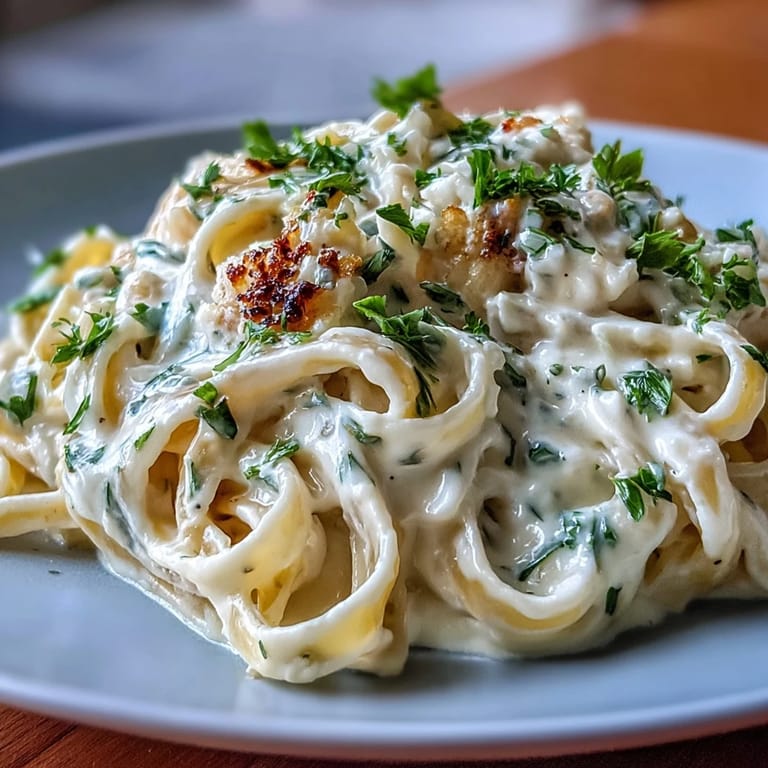
Save There's something quietly powerful about realizing that vegetables can do things you never expected them to do. That night, sitting across from my partner while we twirled creamy pasta around our forks, felt like discovering a small hack for eating better without feeling deprived.
Why This Sauce Works
Cauliflower has a mild, slightly sweet flavor that becomes almost neutral when you cook it down and blend it smooth, which means it plays well with butter and cheese without fighting for attention. The starch in the pasta water acts like a magic ingredient—it helps the sauce cling to each noodle instead of pooling at the bottom of the bowl, something I only understood after making it a few times. What's clever about this whole approach is that you're using the vegetable's own natural creaminess instead of relying on heavy cream, so the dish feels light on your stomach even though it tastes indulgent.
Making It Your Own
The first time I made this, I added sautéed mushrooms at the end, and it completely changed the character of the dish—suddenly it felt earthier and more substantial, like the kind of thing you'd serve when you wanted to impress someone. My friend who eats vegan asked if I could adapt it, so I swapped the butter for olive oil, used unsweetened almond milk, and stirred in nutritional yeast instead of Parmesan, and honestly it was just as good in a different way. The beauty of this recipe is that it's flexible enough to bend toward what you actually have in your kitchen and what your body needs.
Timing and Storage Notes
This dish is best eaten the moment you plate it, when everything is hot and the sauce clings perfectly to the pasta. If you have leftovers, they'll keep in an airtight container for about two days, though the sauce will thicken significantly when it cools, so add a splash of milk or water when you reheat it. Some people make the sauce ahead of time and store it separately from the cooked pasta, which I think is actually smarter if you're planning ahead.
- Whole wheat pasta soaks up the sauce beautifully and adds a nutty undertone that pairs well with the nutmeg.
- If you don't have fresh garlic, don't reach for garlic powder—just skip it and taste the dish before deciding if it needs more umami from extra Parmesan.
- The nutmeg is truly optional, but it's the thing that makes people pause and ask what spice they're tasting, so I always add it.
 Save
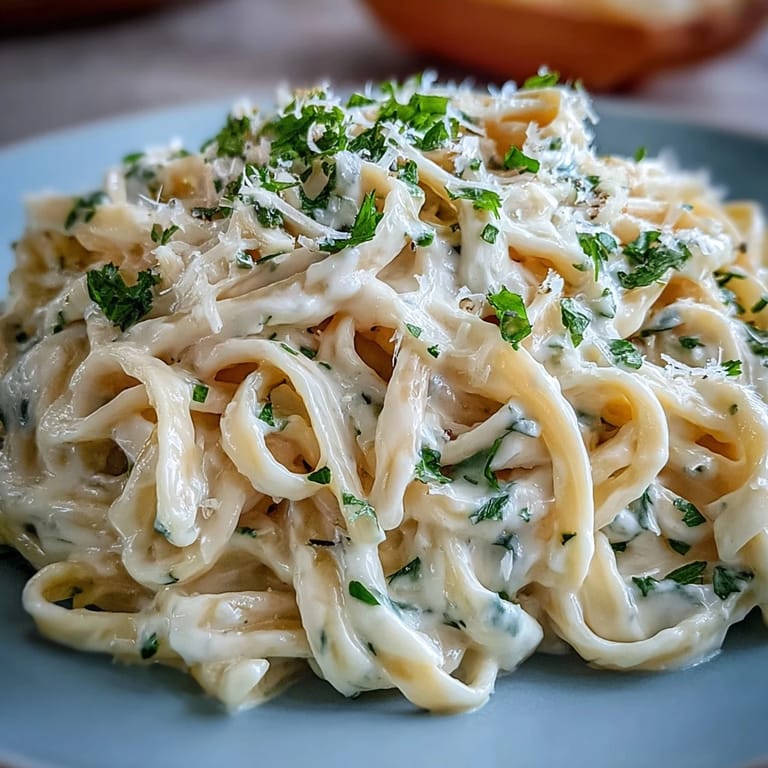
Save This is the kind of recipe that sneaks up on you and becomes a regular thing you make when you're tired but want something that tastes like you tried. It's proof that eating lighter food doesn't mean eating boring food.
Recipe Questions & Answers
- → Does cauliflower actually taste like Alfredo sauce?
When blended with butter, Parmesan, and garlic, cauliflower creates a remarkably similar creamy texture and savory flavor profile to traditional Alfredo. The mild vegetable becomes a blank canvas that absorbs and amplifies the classic Italian seasonings.
- → Can I make this dairy-free?
Absolutely. Substitute vegan butter and nutritional yeast for Parmesan cheese. Use unsweetened almond or oat milk for the liquid. The sauce remains velvety and satisfying without any dairy.
- → Why add pasta water to the sauce?
Pasta water contains starch released from cooking noodles, which helps emulsify and thicken the sauce while creating a silky coating that clings beautifully to every strand of pasta.
- → What vegetables work well as additions?
Sautéed mushrooms add earthy depth, steamed broccoli brings fresh crunch, and wilted spinach provides vibrant color and nutrients. Add these during the final toss with the sauce.
- → Can I freeze the cauliflower sauce?
Yes, blend the sauce completely and freeze in airtight containers for up to 3 months. Thaw overnight in the refrigerator and reheat gently with a splash of milk or water before tossing with freshly cooked pasta.
- → What pasta shapes work best?
Fettuccine and linguine are classic choices that capture the sauce well. Penne, rigatoni, or fusilli also work beautifully—their nooks and crannies hold the creamy coating exceptionally well.