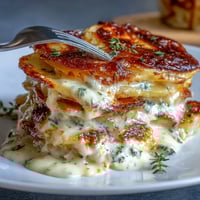
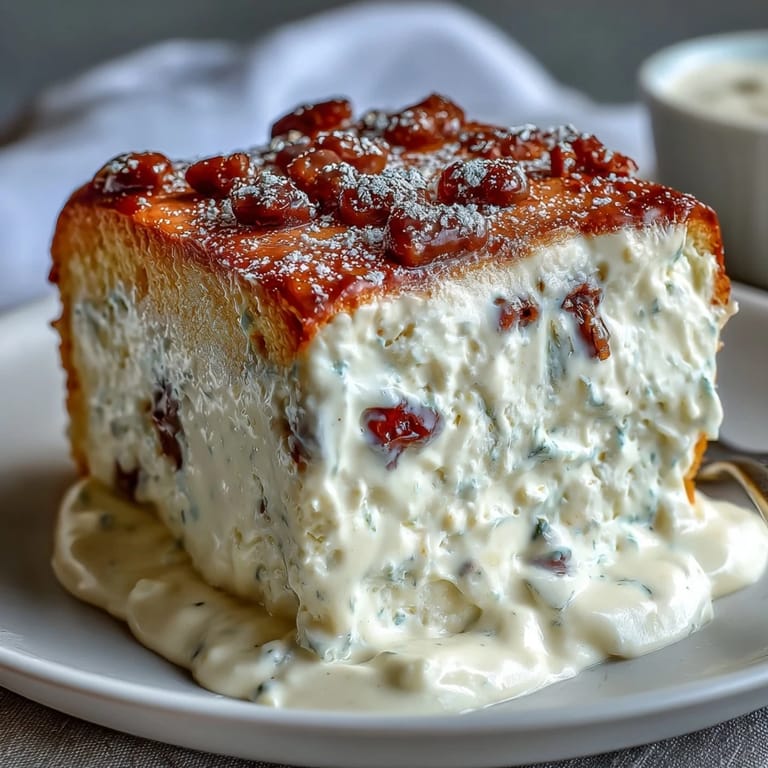
 Save
Save My grandmother kept a lemon tree in her tiny Roman kitchen, and every Easter she'd pick the brightest ones for her ricotta pie, filling the apartment with that sharp, clean citrus scent before anyone had eaten a bite. There was always this moment of anticipation when she'd slide the golden crust from the oven, the filling still trembling slightly in the center, and she'd announce it was perfect before it had cooled for even a minute. Making this pie now, I chase that same feeling of controlled chaos and spring sunshine—a tender pastry cradling a cloud-like ricotta filling that tastes like Easter morning itself.
I made this for a neighbor's Easter lunch last spring, and watching her face when she took that first forkful—the surprise that something so elegant came from my slightly chaotic kitchen—made me understand why my grandmother guarded this recipe like a secret. Everyone asked for it to be written down, but I kept thinking there was no way to capture on paper the way the filling should jiggle, or how the crust browns just enough to taste buttery without burning. Now I know it's because the real magic isn't in the technique; it's in the intention.
Ingredients
- All-purpose flour (2 cups): The foundation of your crust, and cold handling is everything—I learned this the hard way after one soggy pastry too many.
- Granulated sugar for pastry (1/2 cup): Just a touch of sweetness in the dough itself, which prevents it from tasting purely buttery and rounds out the filling's brightness.
- Unsalted butter, cold and cubed (1/2 cup): Keep this genuinely cold, even a few minutes longer in the freezer—it's the difference between a flaky crust and a dense one.
- Egg and egg yolk: The yolk adds richness to the pastry while the whole egg helps bind everything together without making it tough.
- Whole milk ricotta cheese (2 cups, well drained): This is crucial—if your ricotta is watery, the filling won't set properly, so drain it in cheesecloth for at least an hour if you have time.
- Lemon zest from 2 lemons: Use a microplane and get only the bright yellow part; the white pith underneath tastes bitter and will change everything.
- Heavy cream (1/4 cup): Just enough to add silkiness without making the filling split in the oven.
- Powdered sugar for dusting: A light dusting just before serving looks beautiful and adds that final whisper of sweetness.
Tired of Takeout? 🥡
Get 10 meals you can make faster than delivery arrives. Seriously.
One email. No spam. Unsubscribe anytime.
Instructions
- Build Your Pastry Base:
- Combine flour, sugar, and salt in a large bowl, then add your cold butter cubes and rub everything together with your fingertips until it looks like coarse breadcrumbs. Work quickly here—warmth is your enemy, and if your kitchen is hot, chill your bowl and butter beforehand.
- Bring It Together:
- Crack in the egg and yolk, add vanilla, then gradually add cold water one tablespoon at a time until the dough just barely holds together when squeezed. You want it slightly shaggy, not smooth and overworked.
- Chill and Rest:
- Shape your dough into a disk, wrap it tightly in plastic, and let it sit in the refrigerator for at least thirty minutes. This isn't optional—chilling prevents shrinkage and ensures a tender, crisp result.
- Prepare Your Pan:
- Preheat your oven to 350°F and grease a 9-inch pie or tart pan generously. On a lightly floured surface, roll your dough to about 1/8 inch thickness, then gently press it into the pan, letting it settle into the corners without stretching.
- Pre-Bake Your Crust:
- Trim any overhang, prick the base all over with a fork, and chill for another ten minutes. This small step prevents a soggy bottom crust.
- Mix Your Filling:
- In a clean bowl, whisk together your well-drained ricotta, sugar, eggs, vanilla, lemon zest, lemon juice, flour, salt, and heavy cream until the mixture is completely smooth and looks like pale yellow silk. Don't overmix—you want it combined but not aerated.
- Pour and Bake:
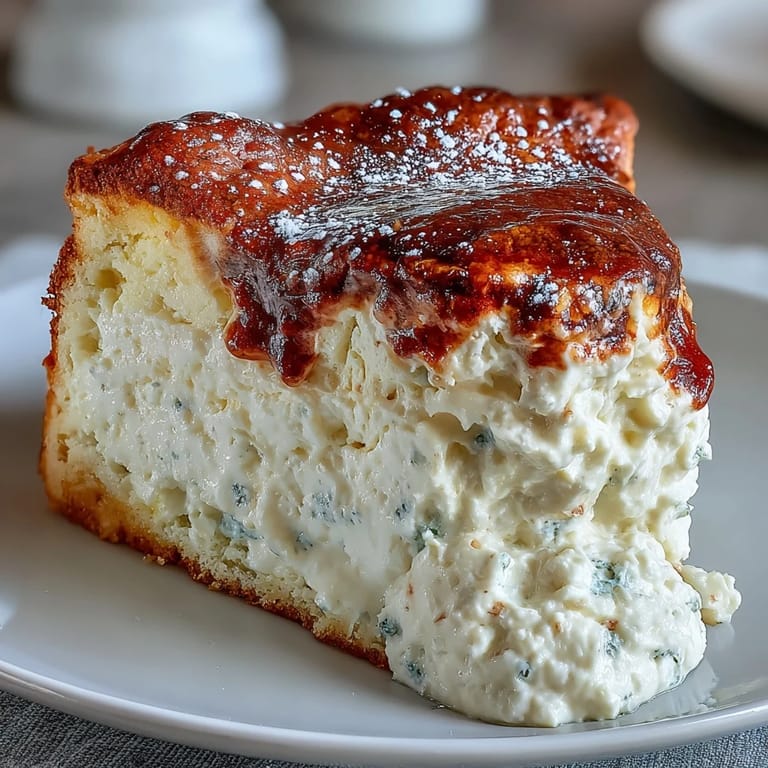
- Pour the filling into your chilled pastry shell, smooth the top gently, and slide it into the oven. Bake for fifty-five to sixty minutes until the edges are set and lightly golden but the very center still has a subtle wobble when you gently shake the pan—that wobble becomes a silky texture as it cools.
- Cool with Patience:
- Let the pie cool completely on a wire rack before chilling it for at least two hours in the refrigerator. This cooling time allows the filling to set properly and develop its full flavor.
- Finish and Serve:
- Just before serving, dust the entire surface generously with powdered sugar, which clings to the slightly sticky filling and looks like fresh snow.
 Save
Save The first time a guest asked if this pie was store-bought because it looked too perfect, I realized that something made with this much care and attention almost has to look professional. But what really stuck with me was when my five-year-old nephew asked why it tasted like spring, and I understood that flavor memory is as powerful as visual beauty.
Why Lemon Matters Here
Lemon isn't just an ingredient in this pie—it's the entire reason the ricotta filling works at all. Without that sharp citrus note, the sweetness would feel one-dimensional and the richness of the cheese would overwhelm your palate, but the bright zest wakes everything up and makes you want another bite. I've experimented with orange zest, lime, and even a combination, and while they're all pleasant, the pure lemon version has this classical clarity that reminds you why Italians have been making this pie for generations.
The Art of the Perfect Crust
A tender pastry crust comes down to three things: cold ingredients, minimal mixing, and respect for the resting periods. I used to rush through the chilling stages, thinking I was being efficient, but the crust would shrink and crack in the oven as if punishing my impatience. Once I started treating the dough like it needed genuine downtime, everything changed—the crust bakes up flaky and golden, with a delicate snap to the bite that contrasts perfectly against the creamy filling.
Spring Celebrations and Beyond
This pie is quintessentially Easter, but I've learned it works beautifully for any spring gathering when you want something that feels special without being overly fussy. Make it the day before a dinner party, and all you need to do is dust it with powdered sugar an hour before serving. Fresh berries scattered on top add color and a little tartness that plays gorgeously against the sweet filling, but the pie stands perfectly on its own with nothing more than that snowy sugar.
- Slice with a hot, damp knife for clean edges that look restaurant-ready.
- Leftovers keep beautifully in the refrigerator for three days, and cold slices taste even more luxurious than room temperature ones.
- If you're making this ahead, wait to dust the powdered sugar until just before serving so it stays bright and visible.
 Save
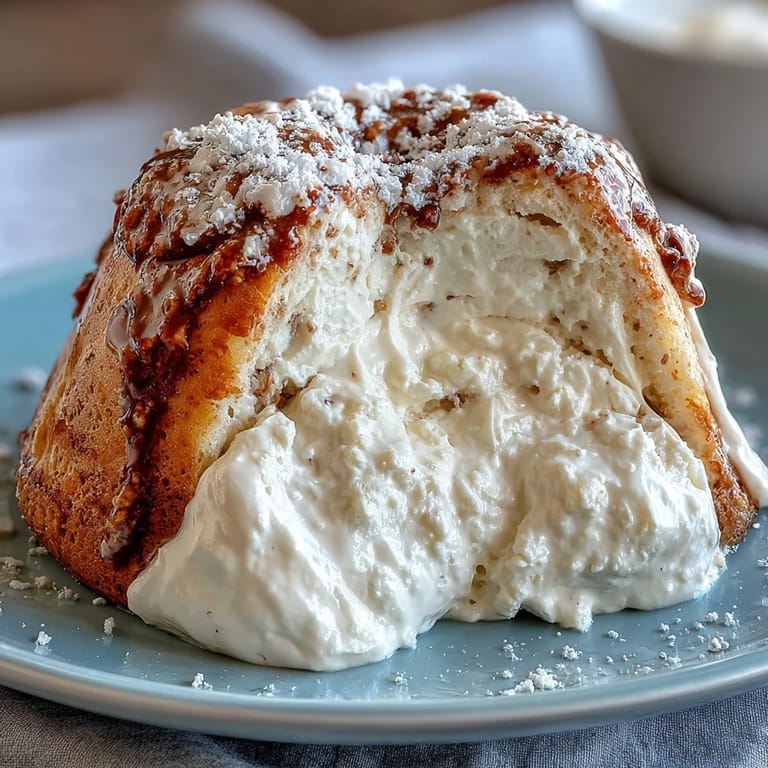
Save This pie reminds me every time I make it why comfort food and celebration food are often the same thing—they're made with intention and shared with people you love. Serve it warm or cold, fancy or casual, and let the bright lemon and creamy ricotta do what they've been doing for centuries.
Recipe Questions & Answers
- → How do you prepare the pastry crust?
Combine flour, sugar, and salt, then rub in cold butter until crumbly. Add egg, yolk, vanilla, and water to form a dough, chill before rolling.
- → What is key to a smooth ricotta filling?
Whisk ricotta with sugar, eggs, vanilla, lemon zest and juice, flour, salt, and cream until fully smooth before baking.
- → How can I intensify the citrus flavor?
Adding orange zest along with the lemon zest enhances the citrus profile and adds fragrant depth.
- → What is the best way to bake the tart for ideal texture?
Bake at 350°F (175°C) for 55-60 minutes until the filling is set but slightly wobbly, then cool thoroughly before chilling.
- → Can this be adapted for gluten-free diets?
Yes, substitute gluten-free flour in the crust to accommodate gluten sensitivities without sacrificing texture.
- → How should the pie be served?
After chilling, dust with powdered sugar and serve with fresh berries for a festive presentation.