 Save
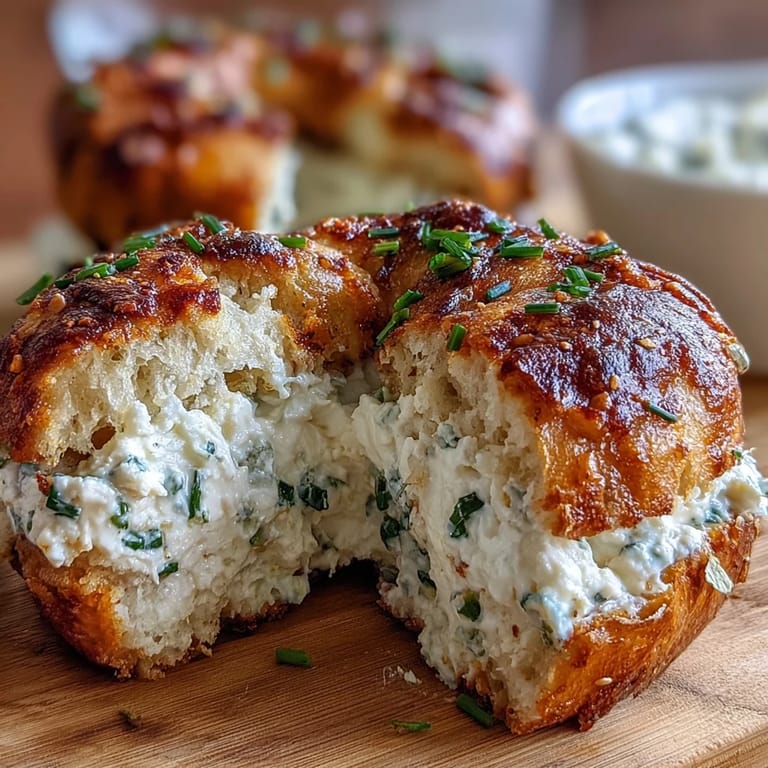
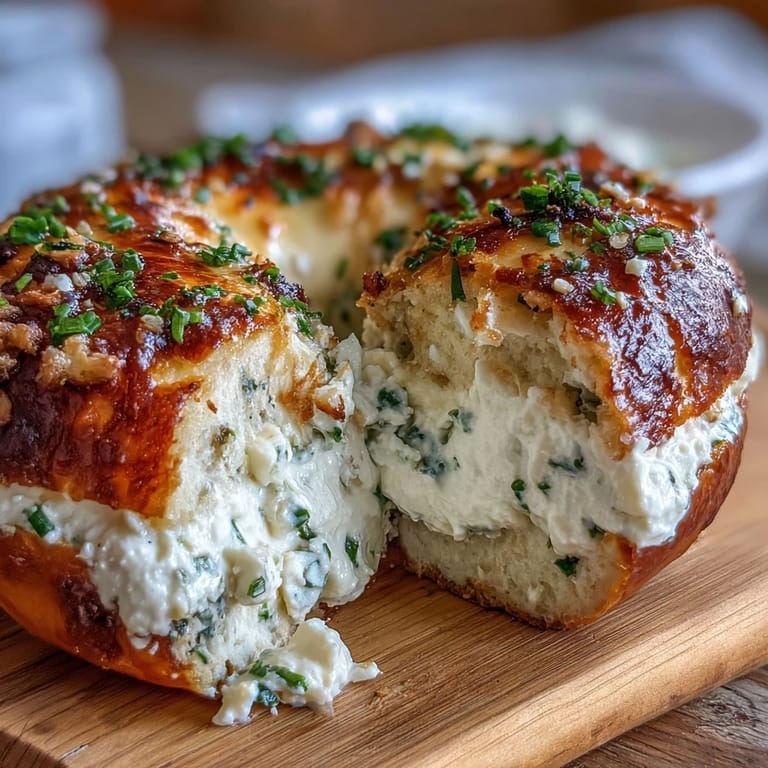
Save There's something oddly satisfying about the moment a bagel dough finally snaps back when you poke it—that's when you know you're doing it right. I stumbled into making protein bagels one morning while staring at my pantry, realizing I had whey powder, fresh herbs, and a sudden craving for something that felt fancy but didn't require a trip to the bagel shop. What started as an experiment became my go-to breakfast because these bagels are chewy, substantial, and honestly, they taste like I spent way more time than I did. The cottage cheese spread is where the magic happens—creamy, garlicky, and packed with protein that actually keeps you satisfied until lunch.
I'll never forget making a batch of these for my sister's friend who claimed she "didn't like bagels," and watching her eat three in a row while insisting they were different. Turns out, soft and chewy with a savory herb flavor hits different than the dense, plain bagels she'd grown up with. She started asking for the recipe before she finished her second one, which felt like a small victory in the kitchen.
Ingredients
- Bread flour (2 cups): The backbone of your bagel—it gives you that characteristic chew and structure that all-purpose flour just can't match.
- Whey protein powder (1 cup): This isn't just for shakes; it dissolves beautifully into dough and actually improves the texture while boosting protein without making them dense.
- Instant yeast (2 ¼ tsp): One packet is all you need—measure carefully because too much will make them rise too fast and lose their shape.
- Sugar (1 tbsp): A small amount feeds the yeast and adds just enough sweetness to balance the garlic and herbs.
- Salt (1 ½ tsp): Don't skip this or reduce it; salt strengthens the gluten and prevents the dough from tasting flat.
- Dried mixed herbs (1 tbsp): A blend of oregano, basil, and parsley creates depth without overpowering the bagel itself.
- Garlic powder (2 tsp): This distributes evenly through the dough in a way fresh garlic can't, giving you consistent flavor in every bite.
- Warm water (1 cup): Temperature matters—110°F is the sweet spot for activating yeast without killing it or making it sluggish.
- Olive oil (1 tbsp): Keeps the dough tender and adds a subtle richness that you taste in the final crumb.
- Boiling water (2 quarts), honey (1 tbsp), and baking soda (1 tsp): The honey adds a touch of browning and slight sweetness to the water, while baking soda creates that signature bagel crust.
- Cottage cheese (1 cup): Choose full-fat or at least 2% if you can—it makes the spread creamier and more luxurious.
- Fresh chives and parsley: These brighten the spread and remind you that you're eating something fresh, not just reheated.
- Garlic clove (1, minced): Fresh garlic in the spread adds sharpness that powder alone can't deliver.
- Lemon zest (½ tsp): This tiny amount lifts the whole spread without making it taste citrusy—it's the secret ingredient people ask about.
Tired of Takeout? 🥡
Get 10 meals you can make faster than delivery arrives. Seriously.
One email. No spam. Unsubscribe anytime.
Instructions
- Mix the dry foundation:
- Combine your bread flour, protein powder, yeast, sugar, salt, herbs, and garlic powder in a large bowl. This is your chance to make sure everything is evenly distributed, so take a moment to whisk it all together—uneven yeast distribution is how you end up with some bagels that rise differently than others.
- Add the wet ingredients:
- Pour in your warm water and olive oil, then mix until a shaggy dough comes together. You're not kneading yet; you're just making sure all the flour gets hydrated and there are no dry pockets hiding at the bottom of the bowl.
- Knead until smooth:
- Turn the dough onto a lightly floured surface and knead for about 8 minutes until it becomes smooth and elastic. You'll feel it transform under your hands—it goes from sticky and rough to silky, and that's when you know the gluten has developed properly.
- First rise:
- Place the dough in a lightly oiled bowl, cover it with a damp towel, and let it rise in a warm spot for 30–40 minutes until doubled in size. A warm corner of your kitchen, near a sunny window, or even inside your oven with the light on works beautifully.
- Preheat and prepare:
- While the dough rises, preheat your oven to 425°F and line a baking tray with parchment paper. This gives you one less thing to worry about when you're ready to bake.
- Shape the bagels:
- Punch down the dough and divide it into 6 equal portions—I use a kitchen scale to make sure they're all roughly the same size. Roll each into a ball, then poke a hole in the center and gently stretch it into a bagel shape, aiming for a hole about 2 inches wide so it doesn't close up during boiling.
- Prepare the boiling water:
- Bring 2 quarts of water to a gentle boil, then add honey and baking soda. The baking soda will foam up a bit, which is exactly what you want—this is what creates that beautiful, chewy crust.
- Boil with purpose:
- Gently drop each bagel into the water and boil for 45 seconds per side—set a timer because it's easy to lose track. Use a slotted spoon to flip them carefully, then fish them out and place them on your prepared baking sheet.
- Bake until golden:
- Bake for 18–20 minutes until the bagels are golden brown and sound slightly hollow when you tap them. The tops should be a deep golden color, not pale, or they won't have that satisfying crust.
- Cool properly:
- Let them cool on a wire rack so the bottom doesn't get soggy from steam. I know it's tempting to slice into one immediately, but give them at least 10 minutes to set.
- Blend the spread:
- Combine cottage cheese, chives, parsley, minced garlic, lemon zest, salt, and pepper in a bowl and mix until smooth. If you prefer an even smoother texture, give it a quick blend with an immersion blender or in a food processor—this is where you can make it exactly how you like it.
 Save
Save There was this one afternoon when I served these to my friend who's always watching macros, and she actually paused mid-bite and asked how many grams of protein were in one. When I told her 19 grams, she set down her bagel, looked at me seriously, and said, "This is a game-changer." Those simple words made me realize that sometimes the most meaningful food moments happen when something functional becomes genuinely delicious.
The Magic of the Boil-and-Bake Method
The boiling step is what separates a real bagel from a fancy bread roll, and honestly, it's where the texture magic happens. When you drop a shaped bagel into boiling water with baking soda, the outside gelatinizes slightly while the inside stays soft—that's the foundation of that perfect chewy-on-the-inside, crispy-on-the-outside contrast. The baking soda also raises the pH of the water, which helps the bagel brown more deeply in the oven and creates that signature shine. I used to think this was complicated until I realized it's really just a 90-second detour that completely changes the outcome.
Why Protein Powder Works So Well Here
Adding whey protein to bagel dough sounds like it should make them tough or weird-tasting, but it actually does the opposite. The protein helps the dough absorb water more effectively, which means a more tender crumb and better moisture retention, so your bagels stay soft for days instead of drying out by the next morning. You don't taste the protein—it's completely neutral—but you absolutely feel it in how satisfying and substantial these bagels are. I've made batches with and without, and the difference in chewiness and staying power is noticeable enough that I'd never go back.
Toppings and Variations Worth Trying
Once you've mastered the basic recipe, the fun part is experimenting with what you scatter on top before baking. Everything from sesame seeds to everything bagel seasoning to crushed pumpkin seeds sticks beautifully to the damp surface right after boiling. The spread is equally flexible—I've added everything from sun-dried tomato paste to fresh dill, and it's hard to get it wrong. Here are a few directions worth exploring:
- Savory route: Top with everything bagel seasoning or a mix of sesame and poppy seeds, and add sun-dried tomato paste to the spread for deeper flavor.
- Brunch-worthy option: Sprinkle with crispy bacon bits before baking, then serve the spread on the side so people can control the ratio.
- Keep it simple: A light coating of coarse sea salt before baking gives you that New York bagel vibe without any distractions.
 Save
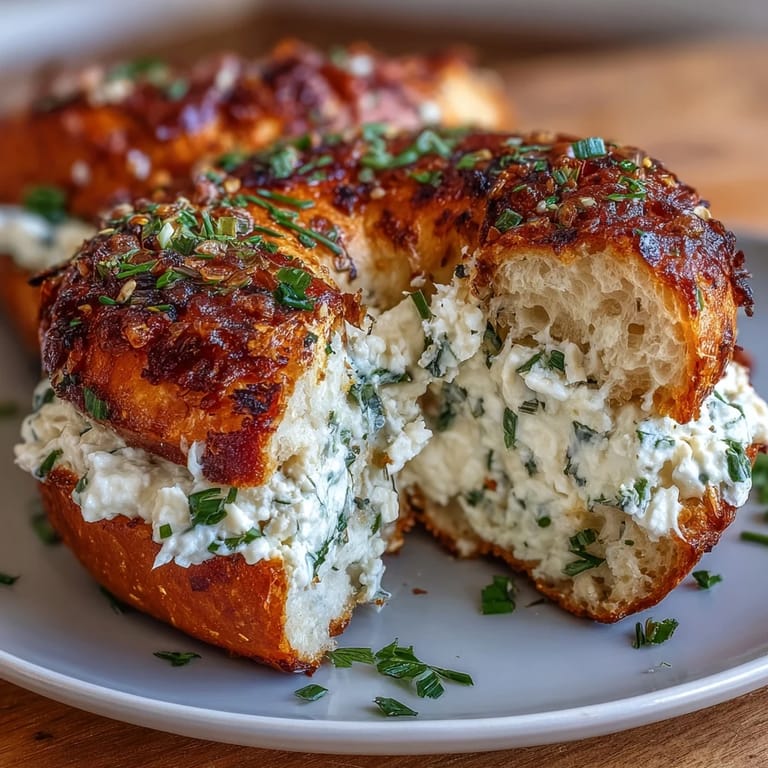
Save Making your own bagels changes something small but real about your morning routine—there's a quiet pride in slicing into something chewy and flavorful that you created from scratch. These bagels remind me that the best breakfasts aren't complicated; they're just made with ingredients you actually care about and a little bit of attention to detail.
Recipe Questions & Answers
- → How do I achieve the perfect bagel texture?
Using bread flour with added unflavored protein powder helps create a chewy, dense texture. Kneading the dough well and boiling briefly before baking enhances the traditional bagel consistency.
- → Can I customize the herb blend in the bagels?
Absolutely. The recipe uses oregano, basil, and parsley, but you can experiment with your favorite dried herbs to suit your taste.
- → What is the purpose of boiling the bagels before baking?
Boiling the dough balls briefly in honey and baking soda water gelatinizes the surface starch, creating a shiny crust and chewy texture after baking.
- → How should I store these bagels to keep them fresh?
Store fully cooled bagels in an airtight container at room temperature for up to two days or freeze them for longer storage. Reheat before serving.
- → Is it possible to make the spread smoother?
Yes, blending the cottage cheese mixture briefly with a food processor or blender will produce a creamier, spreadable texture.