 Save
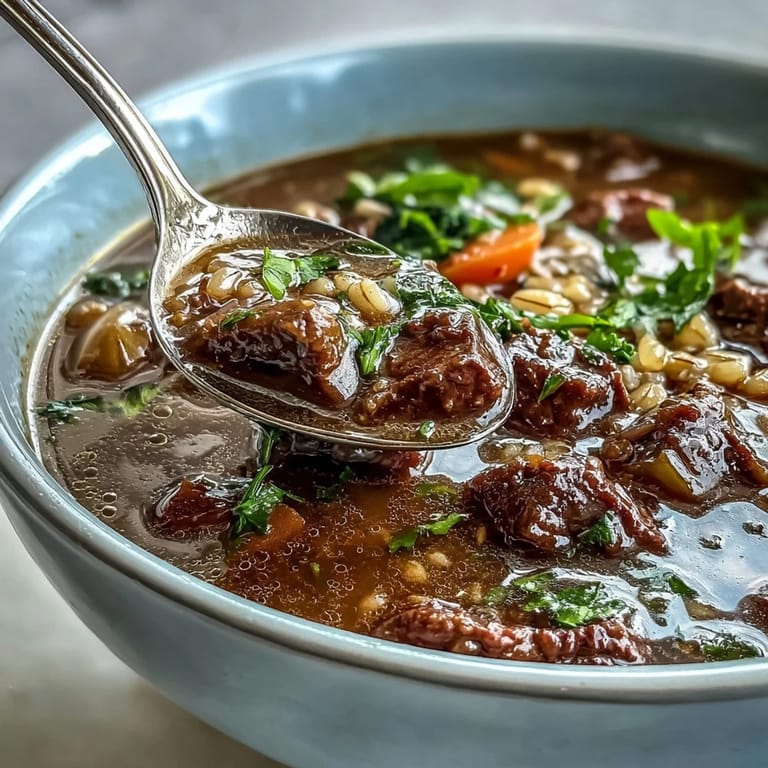
Save The first time the air turned crisp enough to see my breath I knew the heavy stockpot was coming out of the back of the pantry. My kitchen usually smells like toast or coffee but this soup brings a deep savory humidity that clings to the windows. I found this recipe scribbled on a napkin after a long weekend in a drafty cabin where we had nothing but a bag of barley and some leftover roast. There is something grounding about the sound of a wooden spoon scraping the bottom of a pot as the broth begins to thicken. It transforms a cold gray afternoon into something that feels entirely intentional and warm.
One rainy Tuesday I invited my neighbor over because she looked like she had endured a particularly long shift at the hospital. We sat at the small kitchen table with bowls tucked between our hands barely speaking while the steam softened our faces. She asked for the recipe before she even finished her first serving noting how the mushrooms added a meatiness she did not expect. Watching someone find peace in a bowl of soup reminds me why I bother with the long simmer times. It is the kind of meal that demands you slow down and just breathe for a moment.
Ingredients
- Beef Stew Meat: I prefer cubes with a bit of marbling because the fat melts into the broth to create a silky texture.
- Pearl Barley: This grain acts like a tiny sponge soaking up all the beefy goodness while maintaining a satisfying chew.
- Fresh Mushrooms: Slicing these thinly allows them to brown quickly and provide an earthy depth that mimics the richness of the beef.
- Beef Broth: Choosing a high quality stock is the foundation here as it carries every other flavor in the pot.
- Potatoes: I use waxy potatoes that hold their shape through the long simmer so you get a bit of bite in every spoonful.
- Dried Thyme and Parsley: These herbs offer a woody bright contrast to the heavy savory notes of the meat and grain.
- Frozen Peas: Adding these at the very end preserves their vibrant green color and sweet pop of freshness.
Tired of Takeout? 🥡
Get 10 meals you can make faster than delivery arrives. Seriously.
One email. No spam. Unsubscribe anytime.
Instructions
- Searing the Beef:
- Get your oil shimmering hot and drop the beef in to create a deep brown crust that locks in those savory juices. Do not crowd the pan or the meat will steam instead of developing that crucial golden color.
- Softening the Base:
- Toss in the onions carrots celery and mushrooms to pick up all those flavorful brown bits stuck to the bottom of the pot. You want the vegetables to look translucent and smell sweet before moving to the next step.
- Adding the Aromatics:
- Stir in the minced garlic just until you can smell its punchy fragrance being careful not to let it turn bitter.
- The Long Simmer:
- Pour in your broth and add the grains and herbs then let everything bubble away quietly under a heavy lid. This is where the magic happens as the barley softens and the beef becomes tender enough to break with a spoon.
- The Final Finish:
- Fold in the frozen peas during the last few minutes so they stay bright and snappy against the rich stew. Take a final taste to see if a pinch more salt or a crack of pepper is needed to make the flavors sing.
 Save
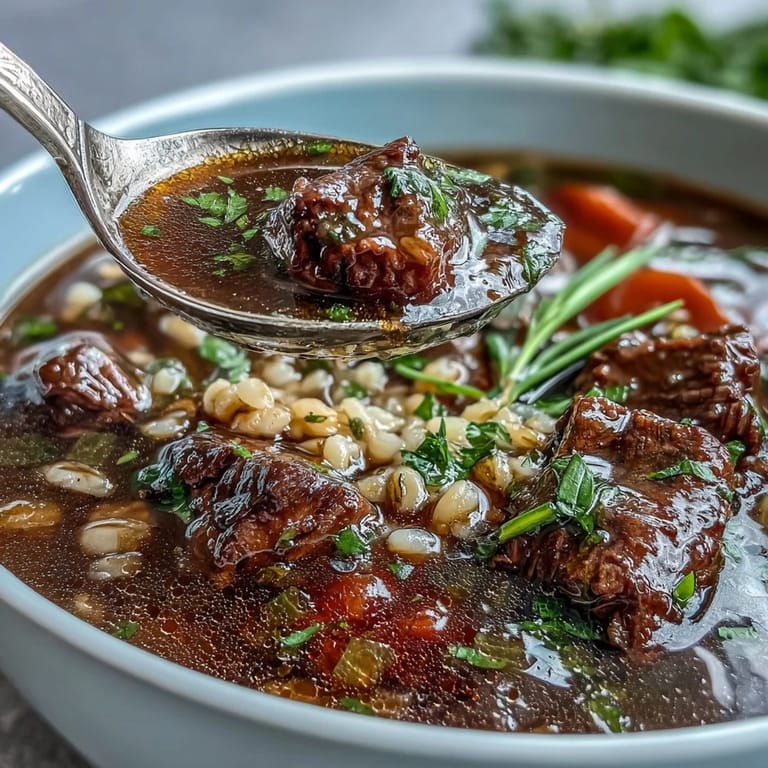
Save My grandfather used to say that a soup without barley was just a drink and I can still hear him tapping his spoon against the ceramic rim. He would wait until the very last bit of broth was gone before using a crusty piece of bread to wipe the bowl clean. That ritual of cleaning the plate became a silent compliment to whoever was standing at the stove that day. Now every time I see the barley start to plump up I feel like I am continuing a very long and very delicious conversation.
Developing Deep Flavor
The mushrooms are a secret weapon in this specific version of the classic recipe. By browning them alongside the onions and carrots you develop an extra layer of umami that makes the beef broth taste even more intense. I used to skip them but once I saw how they vanished into the dark liquid while leaving behind a rich flavor I never went back.
Versatile Garden Additions
While the recipe calls for potatoes and carrots this pot is an excellent home for whatever is lingering in your crisper drawer. I have successfully tossed in parsnips for a bit of sweetness or even a handful of chopped kale toward the end for some extra greens. The hearty nature of the barley can handle almost any root vegetable you throw at it without losing its balance.
Storage and Reheating
This soup is legendary for its ability to survive the freezer and emerge just as delicious months later. I usually double the batch and freeze half in individual portions for those nights when cooking feels like an impossible task. Just remember that the barley will be quite thirsty after it thaws out.
- Always check the seasoning after reheating because cold storage can dull the saltiness of the broth.
- Store the soup in airtight containers to prevent it from picking up any stray scents from the fridge.
- Label your freezer bags with the date so you know exactly how fresh your future dinner remains.
 Save
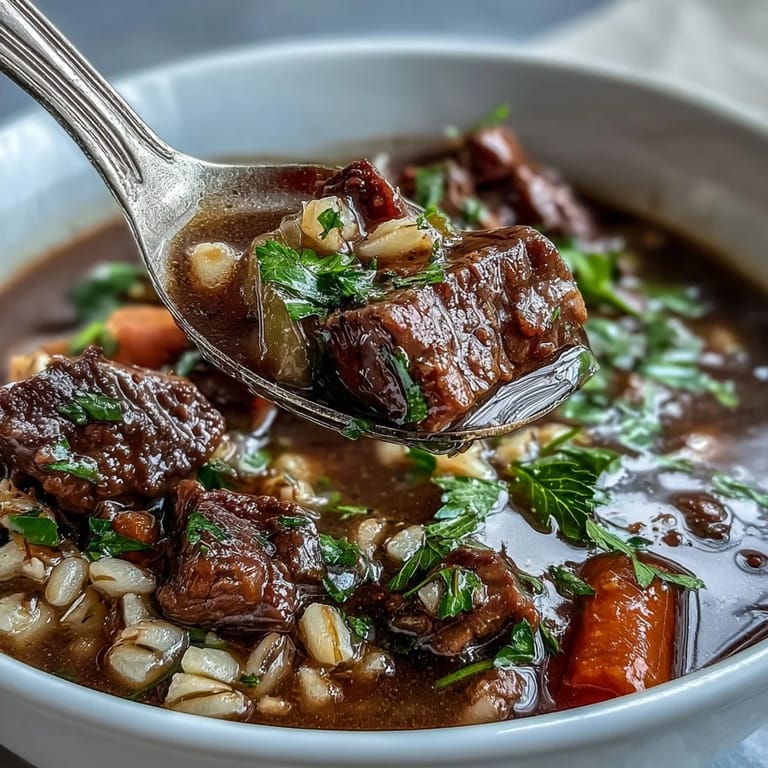
Save This beef and barley soup is a quiet reminder that the best things in life often take a little time and a lot of heart. May your kitchen be warm and your bowl always be full of something that makes you feel at home.
Recipe Questions & Answers
- → How long does beef and barley soup keep in the refrigerator?
The soup stays fresh for up to 4 days when stored in an airtight container in the refrigerator. The flavors often develop and improve after a day or two.
- → Can I freeze this soup?
Yes, it freezes well for up to 3 months. Allow it to cool completely before transferring to freezer-safe containers. Thaw overnight in the refrigerator before reheating.
- → Why is my barley still tough after cooking?
Pearl barley typically takes 60-90 minutes to become tender. Make sure you're simmering gently, not boiling vigorously, and give it enough time to soften completely.
- → What cuts of beef work best?
Chuck roast, round steak, or pre-cut stew meat are ideal choices. These tougher cuts become tender and flavorful during the long simmering process.
- → Can I make this in a slow cooker?
Absolutely. Brown the beef first, then add all ingredients to your slow cooker. Cook on low for 7-8 hours or on high for 4-5 hours until the barley and beef are tender.
- → What can I serve with this soup?
Crusty bread, dinner rolls, or crackers make excellent accompaniments. A simple green salad or roasted vegetables also pair nicely for a complete meal.